


RFE/RL's Samizdat Archives: Views from Within
The Blinken OSA Archivum presents a new interview series, developed by Katerina Belenkina, featuring former Radio Liberty staff from the 1970s and 1980s who worked at Radio Liberty and were associated with the Samizdat Unit. Thanks to their efforts, the Archivum preserves the Samizdat Archives, a unique part of the Radio Free Europe/Radio Liberty Research Institute collection.
Built from materials smuggled across the Iron Curtain, this collection documents the human rights movement and human rights violations in the USSR in the second half of the twentieth century. Many of those featured in the interviews were themselves authors or distributors of samizdat before joining the Radio.
This project opens new ways of understanding and working with the collection, making its rich historical materials more accessible to researchers and the wider public.
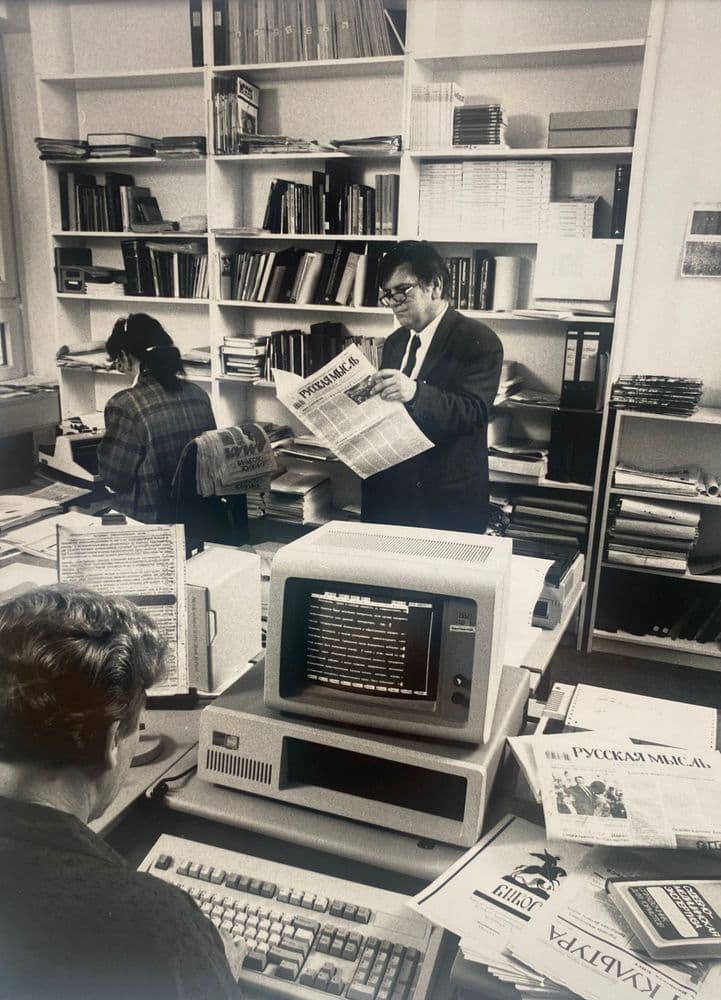
The Blinken OSA Archivum houses a rare phenomenon - the Samizdat Archives, which is a subfond within the Radio Free Europe/Radio Liberty Research Institute collection. This subfond is exceptionally rich in content, but no less important is its underexplored, unusual structure of materials, as well as the context of its creation. For anyone researching the history of the USSR in the second half of the 20th century, the Samizdat Archives is a treasure trove of information and potential discoveries.
To illustrate its complexity, several key points are outlined below and developed in detail thereafter:
The Samizdat Archives contains materials smuggled through the Iron Curtain and found their way to Radio Liberty.
Samizdat Archives is an information collection that covers the history of the human rights movement and human rights violations in the USSR in the second half of the 20th century.
At the same time, the name “Samizdat Archives” often misleads researchers.
The Samizdat Archives subfond is both unique and enigmatic. Working with it resembles handling an undeveloped film: each piece of material and every description raises further questions, stimulating deeper exploration and the ongoing effort to “develop the analogue film” and uncover the subfond’s full story.
A researcher’s path is shaped not only by challenges but also, at times, by unexpected opportunities and coincidences. In this case, we were fortunate to find former employees of the Samizdat and Research Unit of Radio Liberty in good health and willing to revisit events from some fifty years earlier and share their recollections with us.
The interviews were taken with the purpose of shedding light on the guiding principles behind the collection and organization of materials - and how those principles evolved over time. Reading these conversations, we gain insight into how the Samizdat Unit and Research Departments collaborated with the radio broadcasting service; why most of the materials in the collection are copies or duplicates; how documents found their way into the Radios’ Units; and how the Samizdat and Research Units defined their core mission.
It was important for us to speak with interviewees - the employees of the Samizdat and Research Department - not only about their work at Radio Liberty, but also about their personal stories. Any archivist knows how deeply individual perspectives shape the process of collecting and processing materials. All of our interviewees were in various ways connected to the dissident movement in the USSR. Understanding their personal journeys is essential for understanding the collection itself.
We are kicking off our series of publications with interviews featuring Mario Corti and Yulia Vishnevskaya.
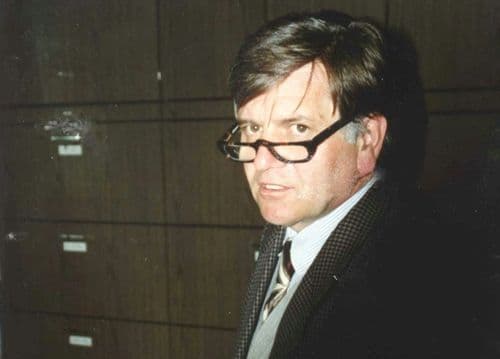
Mario Corti spent 25 years at Radio Liberty - 15 of them in the Samizdat Unit, followed by a decade as head of the Russian Service. Before joining Radio Liberty, Mario worked for several years at the Italian Embassy in Moscow. During that time, thanks to his efforts, a significant amount of samizdat literature and documentation of political persecution in the USSR found its way to Europe. ű
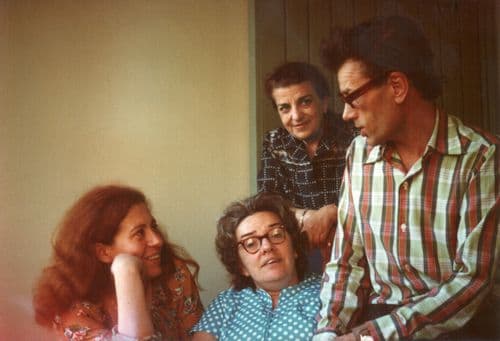
Yulia Vishnevskaya is a poet and a participant in the Soviet dissident movement, she was arrested multiple times (the first occurring when she was sixteen). After emigrating, she worked for more than twenty years (1973–1995) in the Research Department of Radio Liberty as an analyst and journalist in the field of political science and literature.
Brief Overview of the Samizdat Unit, Research Department and the Blinken OSA Archivum’s Collection
In the second half of the 1960s, the Research Department of Radio Free Europe/Radio Liberty began systematically organizing materials arriving from the USSR that related to the human rights movement and the persecution of dissidents. Two RFE/RL staff members, Albert Boyter and Peter Dornan, initiated the publication of a series titled Collection of Samizdat Documents (Sobranie documentov samizdata). This series monitored key developments in the area of human rights violations in the USSR by publishing first-hand accounts and documentary evidence of those violations: dissident activities, persecution of religious and national groups, texts from political prisoners, court transcripts, reports on searches, statements by human rights activists, and collective letters defending political prisoners. Additionally, letters and appeals to Western organizations, materials from the Chronicle of Current Events etc. These testimonies, materials, were assigned a serial number with the prefix AS.
In the late 1960s, an independent Samizdat Unit was established, informally referred to as the "Samizdat Archive”. Under the leadership of its director, Peter Dornan, the Unit launched a second publication series: the bulletin Materialy Samizdata.
Incoming materials were carefully reviewed by the staff, then retyped and registered using a standardized form with an AS (Archiv Samizdata) number for classification and reference purposes. Documents that passed the selection and processing stages were published in one of two bulletins and distributed internally to Radio Liberty staff as well as to external subscribers.
Documents selected for publication, along with their preparatory materials, were archived under the section titled Published Samizdat. The term Unpublished Samizdat was used to refer to materials that were not included in the bulletins and did not receive an AS number. Common reasons for non-publication included the inability to verify the authenticity of the content, concerns about the potential risks of public disclosure for individuals named in the documents, limited staff and resources, and space constraints within the bulletins.
The Samizdat Unit did not focus on literary samizdat containing fiction. Instead, it specialized in political samizdat and materials related to dissent.
The Samizdat Unit developed its own reference system and index files - card catalogs that were continuously updated - which allowed for efficient information verification. For additional reference material, staff frequently consulted other research departments at the radio station that maintained collections, such as the Red Archive, and copied relevant documents to expand their own subject and biographical files.
In the mid-1990s, the Samizdat Unit collection and the Research Department collection - which had been disbanded shortly before - were transferred to the Blinken OSA Archivum in Budapest, along with other sub-collections from the RFE/RL Research Institute. One of the important tasks of this project is to conduct a systematic analysis of how archival collections were combined and reformatted in connection with regular restructuring within the Radio Holding.
The subfond "Samizdat Archives" (covering roughly the period from the late 1950s to the early 1990s) comprises thousands of storage units and documents both the development of democracy in the USSR and the workings of the state’s punitive system. These materials are invaluable for historians and researchers, and detailed interviews with eyewitnesses and the actors contributing to the creation of the archive collection add an important dimension to understanding the significance of these materials for the history of the 20th century.
“The Samizdat Unit was primarily focused on texts, not physical objects, on content, not the information carrier.”
An interview with journalist and historian of the dissident movement Mario Corti, who worked in the Samizdat Unit of Radio Free Europe/Radio Liberty for many years.
Interview with Yulia Vishnevskaya
A poet and a participant in the Soviet dissident movement, Yulia Vishnevskaya was arrested multiple times. After emigrating, she worked for more than twenty years (1973–1995) in the Research Department of Radio Liberty as an analyst and journalist in the field of political science and literature.


